
Conveniently located to serve Newark and New Castle County, DE
Men may deal with enlarged breast tissue that does not improve with diet, exercise, or lifestyle changes. Gynecomastia surgery offers a direct solution by reducing excess tissue and reshaping the chest for a flatter, more natural contour. Dr. Mehdi Balakhani provides effective and permanent correction of gynecomastia to residents in Newark and New Castle County, DE.
What Is Gynecomastia Surgery?
What is gynecomastia?
Gynecomastia, a condition of overdeveloped or enlarged breasts in men, is common in men of any age. It can affect one or both sides of the chest. Gynecomastia can result from hormonal changes, genetics, disease, or the use of certain drugs. The condition can cause emotional discomfort and impair your confidence. Some men may even avoid certain physical activities and intimacy simply to hide their condition.
Gynecomastia is characterized by:
- Excess localized fat
- Excess glandular tissue development
- A combination of both excess fat and glandular tissue
- Gynecomastia may be present unilaterally (one breast) or bilaterally (both breasts)
What can gynecomastia surgery do?
Gynecomastia surgery is a male breast reduction procedure that removes excess glandular tissue, fatty tissue, or both to create a flatter, more balanced chest. The surgery may involve liposuction, excision, or a combination of techniques, depending on the type of tissue causing the enlargement. By directly addressing the source of unwanted chest fullness, the procedure improves contour and restores a more natural chest shape.
Why do men choose gynecomastia surgery?
Male patients seek gynecomastia surgery when excess chest tissue does not respond to exercise or weight reduction. The procedure may help reduce puffiness around the areola, flatten the chest, and create a firmer overall contour.
What does gynecomastia surgery treat?
Treatable concerns include excess fat, firm glandular tissue, stretched skin, or enlarged areolas. The procedure can also address asymmetry when one side of the chest is more prominent than the other.
Is It Right for Me?
Gynecomastia surgery is a highly individualized breast procedure, and you should do it for yourself, not to fulfill someone else’s desires or to try to fit any sort of ideal image.
This procedure is a good option for you if:
- You are physically healthy and of relatively normal weight
- You have realistic expectations
- Your breast development has stabilized
- You are bothered by the feeling that your breasts are too large
Adolescents may benefit from surgery, although secondary procedures may be needed in the future should breast development continue.
Surgical correction of gynecomastia is best performed on:
- Men whose condition cannot be corrected through alternative medical treatments
- Healthy individuals who do not have a life-threatening illness or medical conditions that can impair healing
- Non-smokers and non-drug users
- Men with a positive outlook and specific goals in mind for improving the physical symptoms of gynecomastia
What Happens Before and During the Procedure
What to expect during your consultation
The success and safety of your gynecomastia procedure depend heavily on your complete candor during your consultation. You’ll be asked several questions about your health, desires, and lifestyle.
Be prepared to discuss:
- Why you want the surgery, your expectations, and the desired outcome
- Medical conditions, drug allergies, and medical treatments
- Use of current medications, vitamins, herbal supplements, alcohol, tobacco, and drugs, including steroids
- Previous surgeries
Your surgeon, Dr. Balakhani, may also:
- Evaluate your general health status and any pre-existing health conditions or risk factors
- Perform diagnostic testing to determine the underlying cause of gynecomastia; this may include testing of your endocrine function
- Examine your breasts and may take detailed measurements of their size and shape, skin quality, and the placement of your nipples and areolas
- Take photographs for your medical record
- Discuss your options and recommend a course of treatment
- Discuss the likely outcomes of gynecomastia correction and any risks or potential complications
- Discuss the use of anesthesia during your breast reduction
Preparing for surgery
Before your male breast reduction surgery, you may be asked to:
- Get lab testing or a medical evaluation
- Take certain medications or adjust your current medications
- Stop smoking well in advance of surgery
- Avoid taking aspirin, anti-inflammatory drugs, and herbal supplements, as they can increase bleeding
Special instructions you receive will cover:
- What to do on the day of surgery
- Post-operative care and follow-up
Your plastic surgeon will also discuss where your procedure will be performed. Breast reduction surgery may be done in an accredited office-based surgical center, an outpatient or ambulatory surgical center, or a hospital.
You’ll need help
If your gynecomastia surgery is performed on an outpatient basis, be sure to arrange for someone to drive you to and from surgery and to stay with you for at least the first night following surgery.
Procedural steps
What happens during gynecomastia correction surgery?
Plastic surgery to correct gynecomastia is technically called reduction mammaplasty, and reduces breast size, flattening and enhancing the chest contours.
In severe cases of gynecomastia, the weight of excess breast tissue may cause the breasts to sag and stretch the areola (the dark skin surrounding the nipple). In these cases, the position and size of the areola can be surgically improved, and excess skin may be reduced.
Anesthesia
Medications are administered for your comfort during the male breast reduction procedure. The choices include intravenous sedation and general anesthesia. Your doctor will recommend the best option for you.
Liposuction
When gynecomastia is primarily due to excess fatty tissue, liposuction alone may be sufficient.
This requires insertion of a cannula, a thin hollow tube, through several small incisions. The cannula is moved back and forth in a controlled motion to loosen the excess fat, which is then removed from the body by vacuum suction.
Various liposuction techniques may be used; the technique most appropriate in your case will be defined before your procedure.
Excision
Excision techniques are recommended where glandular breast tissue or excess skin must be removed to correct gynecomastia.
Excision is also necessary if the areola will be reduced, or the nipple repositioned to a more natural male contour. Incision patterns vary depending on the specific conditions and surgical preference.
Sometimes, gynecomastia is treated with both liposuction and excision.
Will there be scars?
Any surgical treatment to correct gynecomastia will require incisions. While most incision lines are concealed within natural contours, some may be visible and are a necessary result of breast reduction surgery.
Important facts about the safety and risks of gynecomastia surgery
The decision to have gynecomastia surgery is extremely personal, and you’ll have to decide if the benefits will achieve your goals and if the risks and potential complications are acceptable.
Dr. Balakhani and/or staff will explain in detail the risks associated with surgery.
You will be asked to sign consent forms to ensure you fully understand the procedure you will undergo and the risks and potential complications.
The risks include:
- Unfavorable scarring
- Bleeding (hematoma)
- Blood clots
- Infection
- Poor wound healing
- Changes in nipple or breast sensation may be temporary or permanent
- If liposuction is used, additional risks include uneven contours, rippling or loose skin, irregular pigmentation, excessive fluid loss, or fluid accumulation
- Anesthesia risks
- Breast contour and shape irregularities
- Skin discoloration, permanent pigmentation changes, swelling, and bruising
- Damage to deeper structures such as nerves, blood vessels, muscles, and lungs can occur and may be temporary or permanent
- Allergies to tape, suture materials, glues, blood products, topical preparations, or injected agents
- Breast asymmetry
- Fatty tissue found deep in the skin might die (fat necrosis)
- Fluid accumulation
- Deep vein thrombosis, cardiac and pulmonary complications
- Pain, which may persist
- Possibility of revisional surgery
Dr. Balakhani helps reduce these risks through careful planning and thorough preoperative evaluation. He reviews your medical history, assesses your chest anatomy, and recommends the surgical approach best suited to your needs. Dr. Balakhani’s facilities and experienced staff support your safety throughout the process. You will also receive clear aftercare instructions and tips to ensure a smooth recovery after gynecomastia surgery.
Where will my surgery be performed?
Surgery to correct gynecomastia may be performed on an outpatient basis, in an office-based or ambulatory surgical facility, or in a hospital setting. It may be performed under general anesthesia or local anesthesia with sedation.
These decisions will be based on the requirements of your specific procedure and in consideration of your preference and your doctor’s best judgment. Your plastic surgeon and the assisting staff will fully attend to your comfort and safety.
When you go home
If you experience shortness of breath, chest pains, or unusual heartbeats, seek medical attention immediately. Should any of these complications occur, you may require hospitalization and additional treatment.
The practice of medicine and surgery is not an exact science. Although good results are expected, there is no guarantee. In some situations, it may not be possible to achieve optimal results with a single surgical procedure. Another surgery may be necessary:
- To perform additional tightening or repositioning of the breasts
- To treat any complications that may occur
Be careful
Following your physician’s instructions is key to the success of your surgery. The surgical incisions mustn’t be subjected to excessive force, abrasion, or motion during the healing period. Your doctor will give you specific instructions on how to care for yourself.
Be sure to ask questions. You should address all your questions directly to Dr. Balakhani. It’s natural to feel some anxiety, whether excitement for the anticipated outcomes or preoperative stress. Discuss these feelings with your plastic surgeon.
Recovery and Results
What to expect during recovery
After surgery, dressings or bandages will be applied to your incisions, and an elastic bandage or support garment may be used to minimize swelling and support your new chest contour as it heals.
A small, thin tube may be temporarily placed under the skin to drain any excess blood or fluid that may collect.
You will be given specific instructions that may include how to care for your surgical site(s) following surgery, medications to apply or take orally to aid healing and reduce the risk of infection, specific concerns to look for at the surgical site or in your general health, and when to follow up with your plastic surgeon.
It’s essential to follow your plastic surgeon’s instructions and attend follow-up visits as scheduled.
Seeing your results
You’ll notice a flatter chest shape soon after surgery, although swelling can hide some of the early changes. Over the next few weeks, the chest becomes more defined as the tissue settles and the swelling continues to fade. Most patients see their final contour once the area has fully healed and the skin adjusts to the new shape.
The results will be long-lasting
The final results of breast reduction in men are permanent in many cases.
However, it’s a different case if gynecomastia resulted from the use of certain prescription medications, drugs including steroids, or weight gain. You must be entirely free from these substances and remain at a stable weight to maintain your results. Please discuss this with your physician before making changes to your prescription medications.
All scars are permanent, even though some scars may be concealed in the natural contours of the breast. Your improved upper body will likely enhance your self-image and confidence, whether in a shirt and tie, a t-shirt, or baring your chest at the beach.
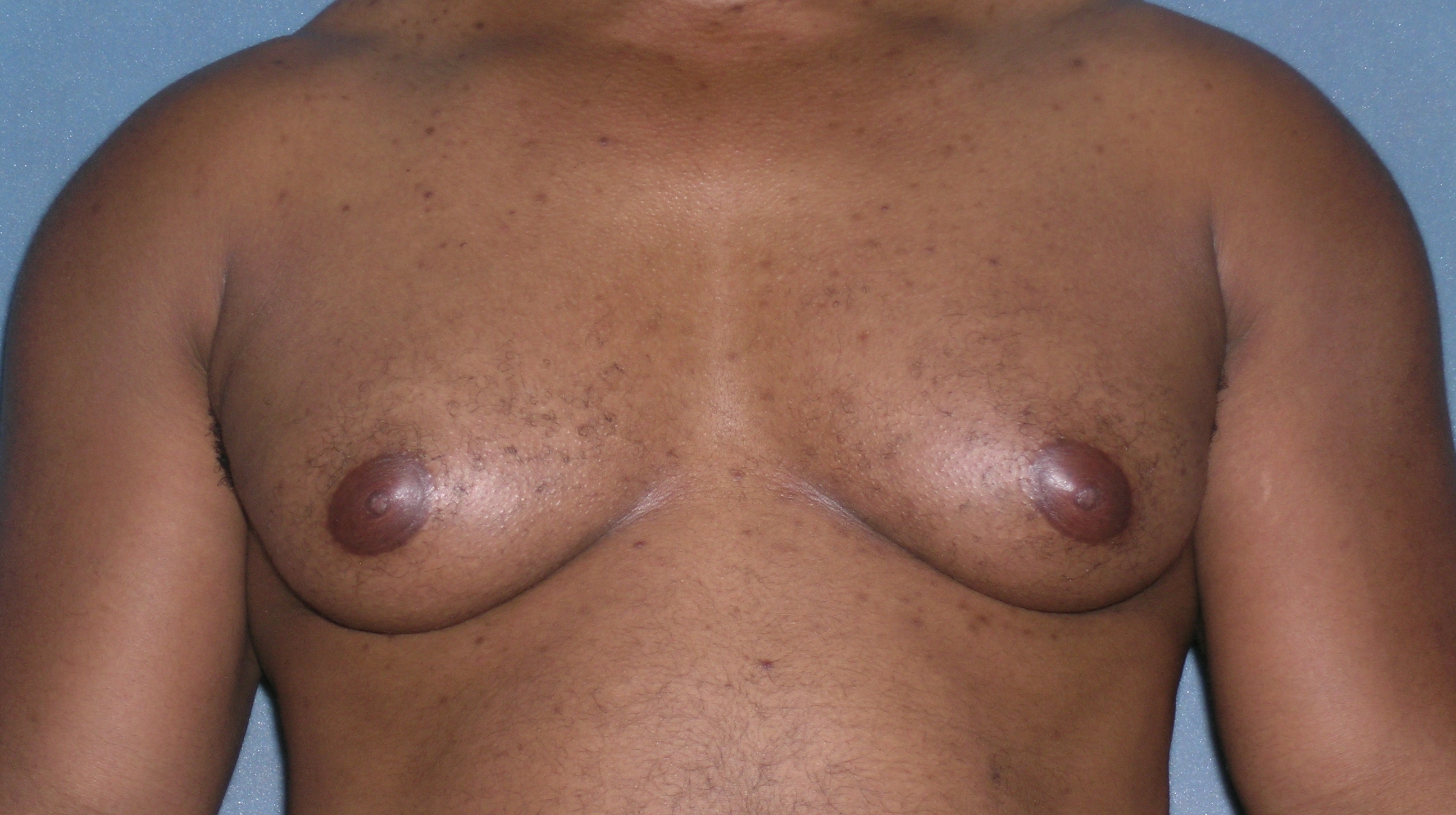
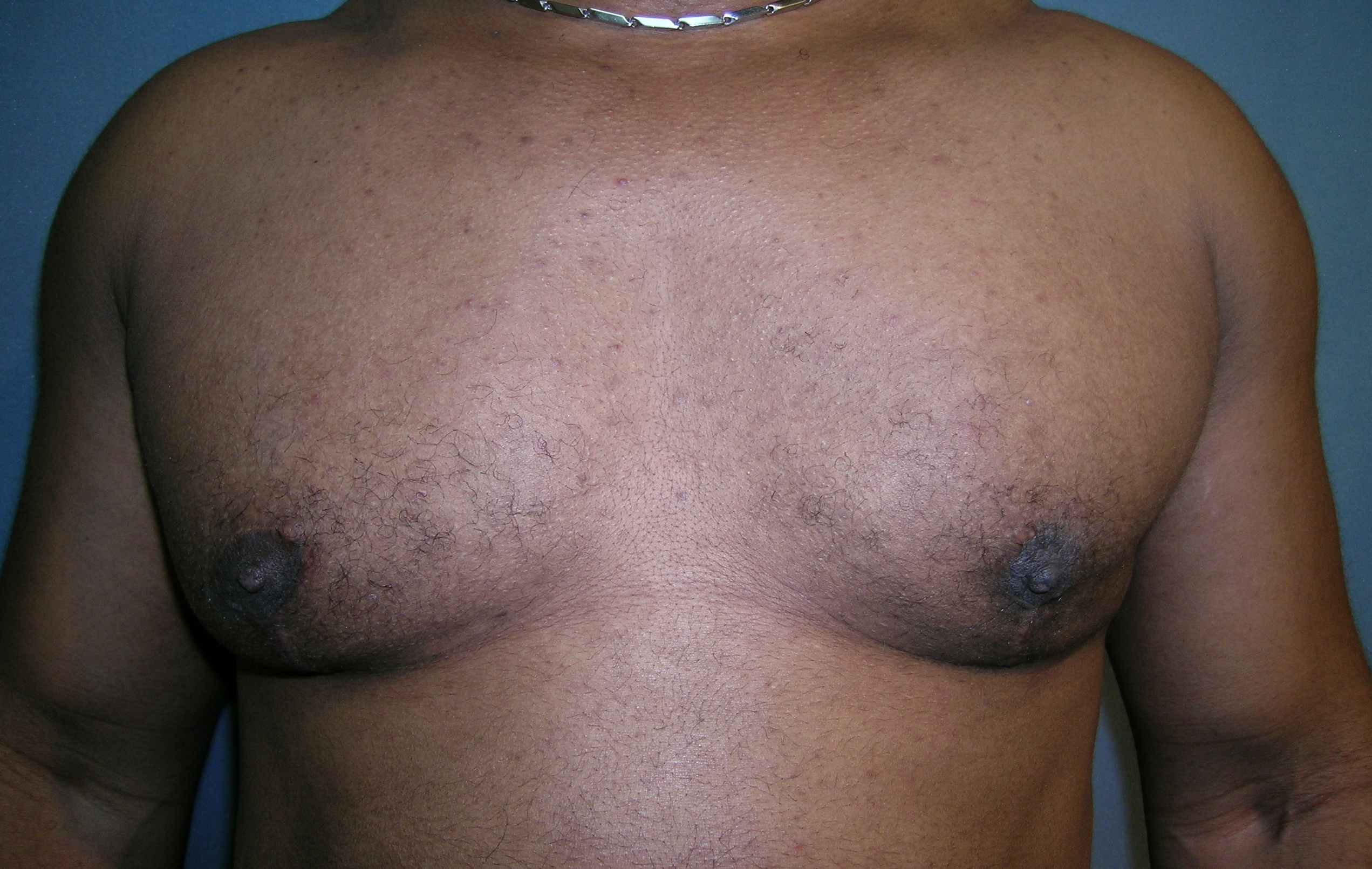
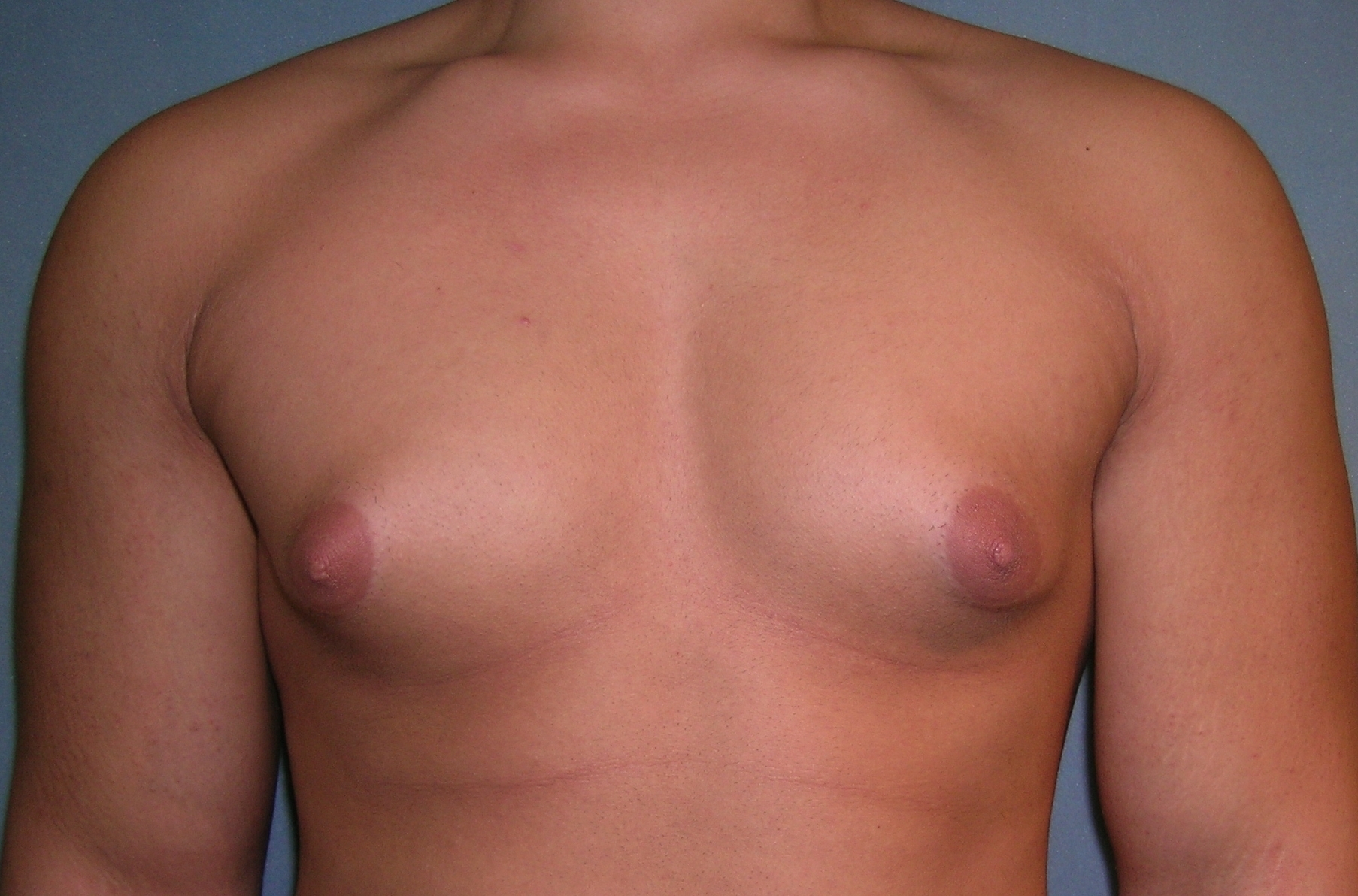
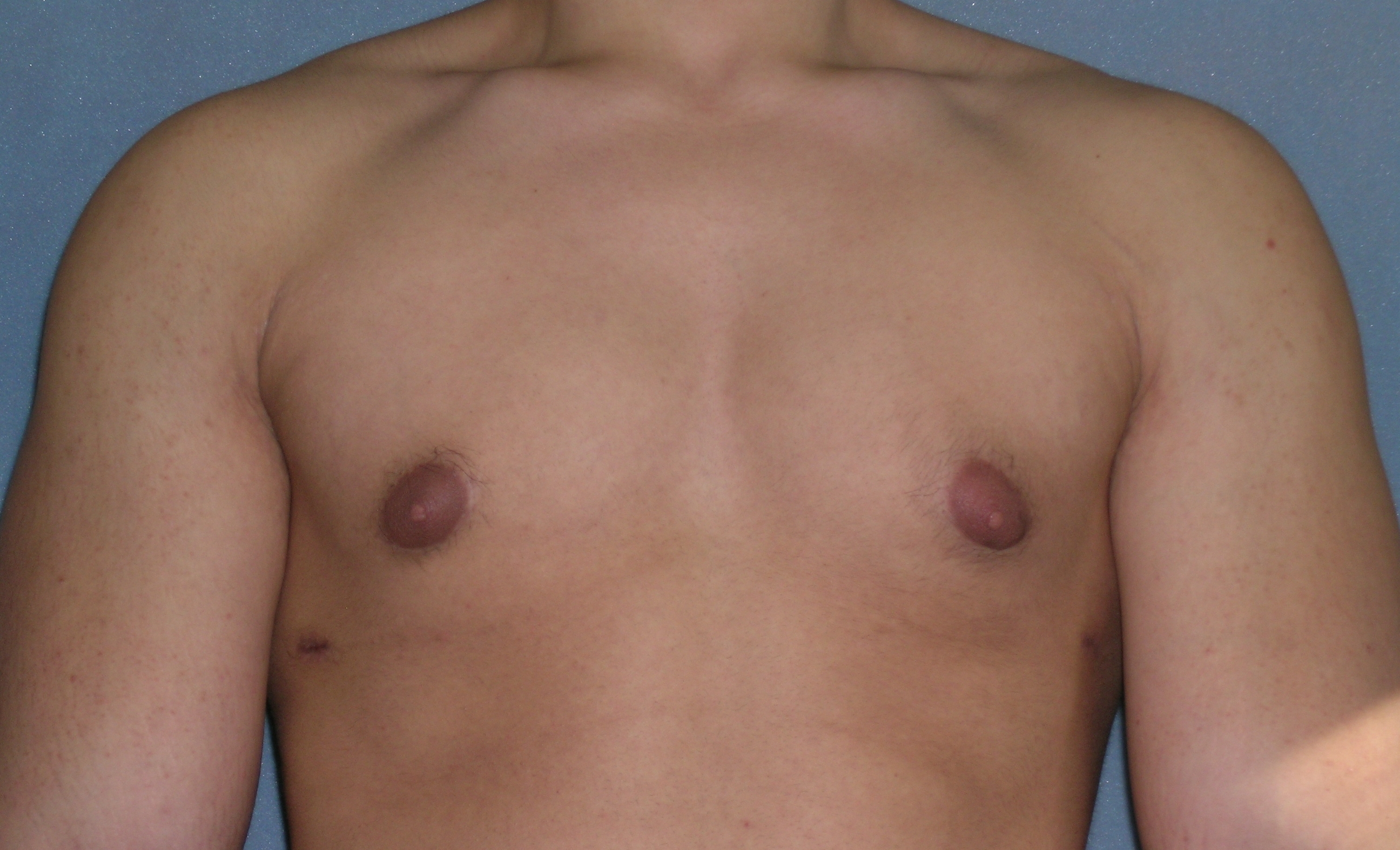
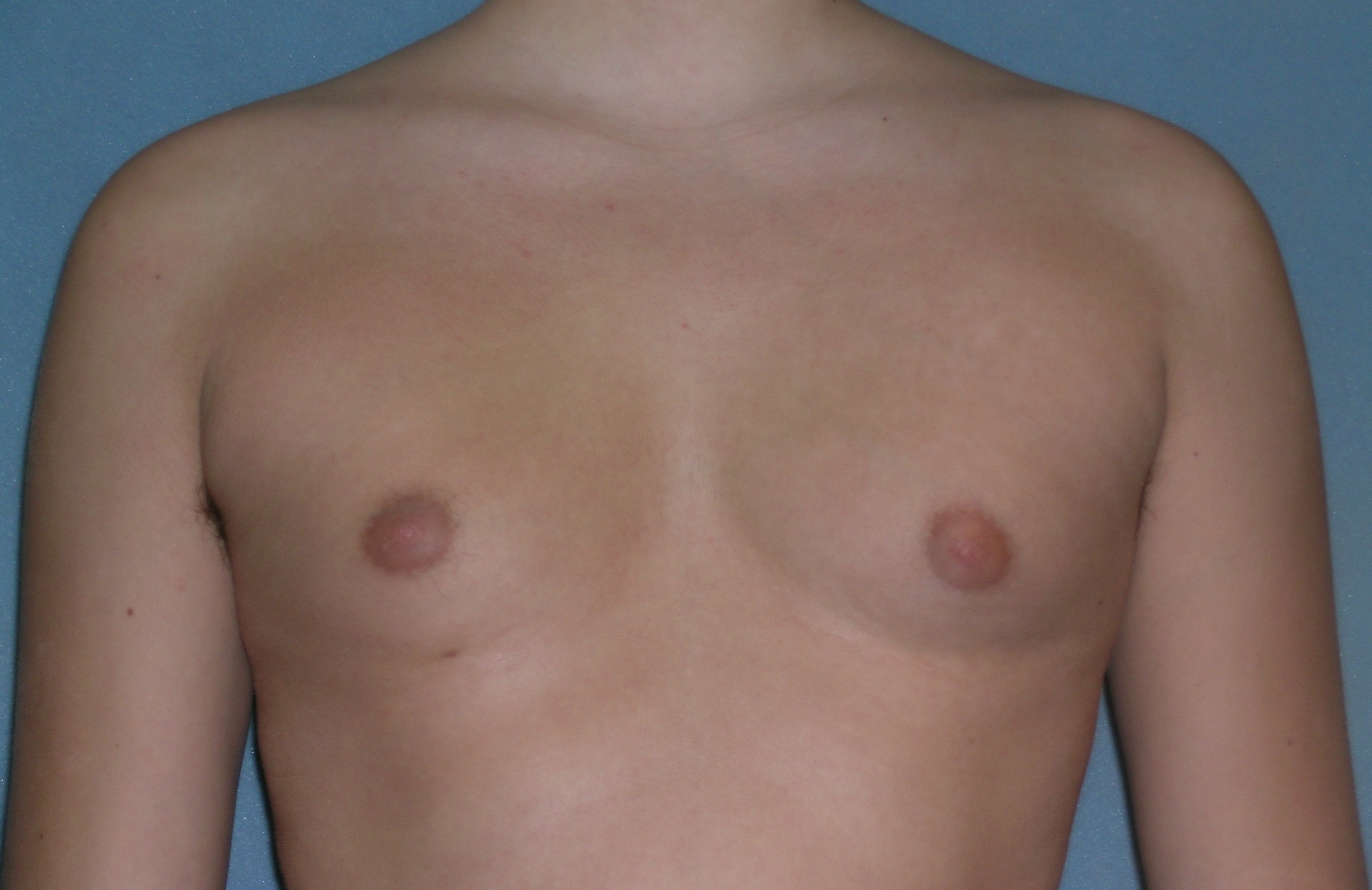
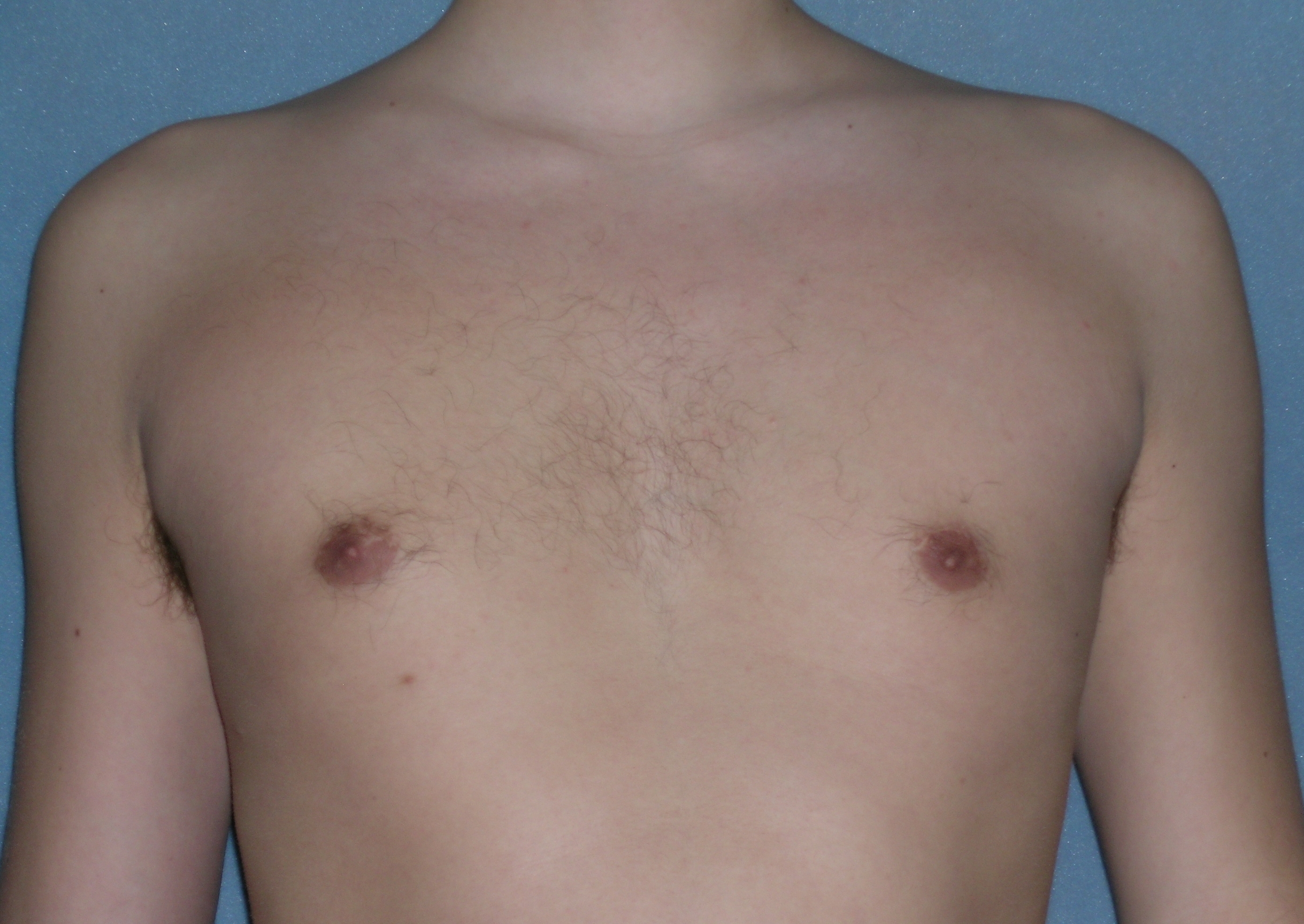
Before-and-after gynecomastia surgery results
Our before-and-after gallery showcases the transformative results achieved through male breast reduction. Each case demonstrates how gynecomastia surgery creates a flatter, more masculine chest contour. These images reflect real patient outcomes and the natural-looking improvements possible with surgical correction.
What patients are saying
Many patients share their personal experiences with gynecomastia surgery through our testimonials, offering real insight into outcomes, recovery, and satisfaction. You can read these firsthand accounts on our patient stories page.
Benefits of Gynecomastia Surgery
Male breast reduction offers the following benefits:
- Flatter, firmer chest that looks more proportionate to your body
- Better-fitting clothing without the need to hide or minimize your chest
- Greater comfort participating in physical activities and social situations
- Permanent results when you maintain a stable weight and avoid triggering substances
- Improved comfort in intimate situations
- Enhanced satisfaction with your overall appearance
How Much Will Gynecomastia Surgery Cost?
Gynecomastia surgery costs vary based on several factors specific to your case. The extent of tissue removal, the techniques required, and whether you need one or both breasts treated all influence pricing. During your consultation, you’ll receive a detailed cost estimate tailored to your treatment plan.
Cost may include:
- Surgeon’s fee
- Hospital or surgical facility costs
- Anesthesia fees
- Prescriptions for medication
- Post-surgery garments, and
- Medical tests
In most cases, correction of gynecomastia is not eligible for insurance coverage. Each insurance policy varies greatly. Carefully review your policy to determine coverage. The American Society of Plastic Surgeons has published a position paper for physicians and insurers defining the recommended criteria for reconstructive cases of gynecomastia. Ask your physician for a copy of this document to submit to your insurer.
While most insurance plans don’t cover gynecomastia correction as it’s considered elective, Dr. Balakhani MD Plastic and Reconstructive Surgery, offers financing options. These make treatment more accessible. Dr. Balakhani’s practice works with patient financing companies that offer flexible payment plans, such as CareCredit. These options allow you to proceed with surgery while managing costs over time.
Your satisfaction involves more than a fee
When choosing a plastic surgeon for gynecomastia surgery, it’s important to consider experience, training, and the level of care you receive. Dr. Balakhani brings decades of surgical expertise, a background in both plastic and reconstructive procedures, and a detailed approach that supports safe, predictable outcomes. His focus on personalized care helps ensure that your concerns, goals, and comfort remain central throughout your treatment.
Why Choose Dr. Mehdi Balakhani for Gynecomastia Surgery in Delaware
Mehdi Balakhani, DDS, MD, FACS, is board-certified in Plastic and Reconstructive Surgery and Oral and Maxillofacial Surgery. This dual training in oral and maxillofacial surgery and plastic surgery equips him with advanced surgical skills for body contouring procedures in his Newark practice. His background also makes him one of the best gynecomastia surgeons in Delaware.
Dr. Balakhani focuses on creating natural-looking results personalized to each patient’s anatomy and goals. His approach emphasizes patient education, safety, and personalized care from consultation through recovery. The practice provides comprehensive support to help you feel informed and comfortable throughout your male breast reduction experience.
If you are visiting from out of town, we also provide helpful travel and accommodation information to support your planning.
Common Questions About Male Breast Reduction
Arrange Your Consultation
Learn more about the correction of gynecomastia by arranging an informative consultation with trusted plastic surgeon Dr. Mehdi Balakhani, serving Newark and New Castle County, DE. He will be happy to help you restore more masculine contours to your chest. Call us at 302-368-8900 or fill out the contact form to book your appointment with Dr. Balahani.
Glossary of Male Breast Reduction Terms
- Areola: Pigmented skin surrounding the nipple
- Bilateral gynecomastia: A condition of overdeveloped or enlarged breasts in men affecting both breasts
- Endocrine system: A group of glands that make hormones which help to control activities in your body, such as reproduction, metabolism, growth, and development. Testing of your endocrine system may be done to look for signs of diabetes, thyroid disorders, growth hormone deficiency, osteoporosis, hypertension, and obesity.
- Excision: To remove the skin
- General anesthesia: Drugs and/or gases used during an operation to relieve pain and alter consciousness
- Hematoma: Blood pooling beneath the skin
- Intravenous sedation: Sedatives administered by injection into a vein to help you relax
- Liposuction: Also called lipoplasty or suction lipectomy, this procedure vacuums out fat from beneath the skin’s surface to reduce fullness
- Local anesthesia: A drug injected directly to the site of an incision during an operation to relieve pain
- Reduction mammaplasty: The surgical removal of breast tissue to reduce the size of the breasts
- Sutures: Stitches used by surgeons to hold skin and tissue together
- Unilateral gynecomastia: A condition of overdeveloped or enlarged breasts in men affecting just one breast