
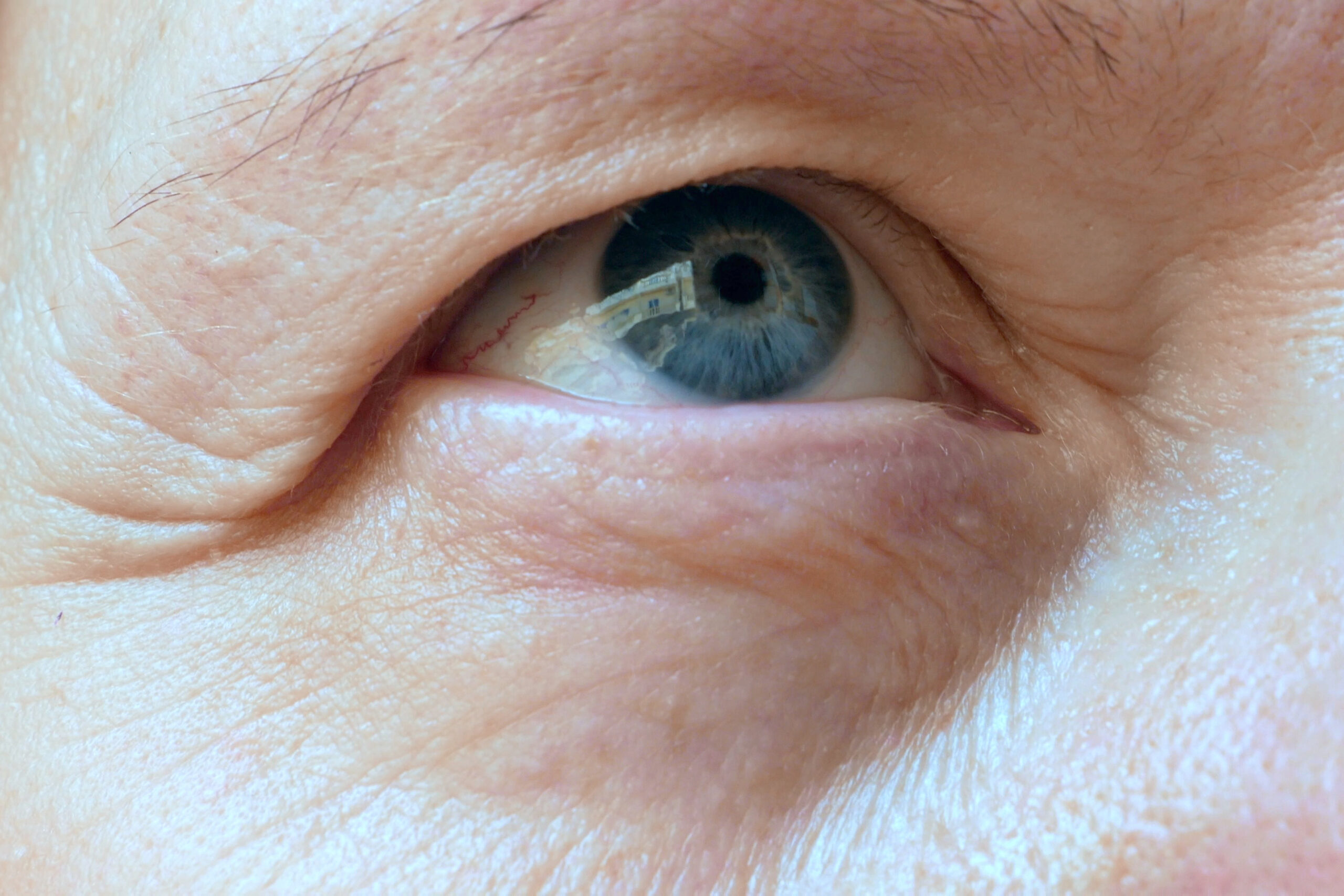
Heavy, hooded eyes that make you look exhausted are more than a cosmetic concern. Sagging eyelids develop as skin loses firmness and the delicate structures around the eyes weaken with age. For many people, eyelid surgery becomes a practical option once these changes become noticeable. In Newark, DE, Dr. Mehdi Balakhani explains how procedures such as blepharoplasty address the underlying causes and restore a more open appearance.
What Causes Eyelids to Sag as You Age
Your eyelids are made up of thin skin, delicate muscles, and pads of fat that support their shape. As you get older, these age-related eyelid changes begin to affect how the skin, muscle, and fat support the eyes. The skin around your eyes becomes thinner and loses collagen, which gives it stretch and bounce.
At the same time, the muscles that hold your eyelids in place start to weaken. It allows fat pockets beneath the skin to shift forward or bulge outward. Upper eyelids may develop excess skin that folds over your lash line, while lower lids can appear puffy or hollow. Genetics plays a significant role in determining how quickly these changes occur, and factors such as sun exposure, smoking, and repetitive facial movements can accelerate the process.
These factors account for the most common causes of droopy eyelids, which often develop gradually.
How Sagging Eyelids Affect Your Appearance
Droopy eyelids can make you look older or more tired than you feel. Upper eyelid sagging can create hooded eyes, reducing visible lid space. In some cases, excess skin can hang low enough to interfere with your peripheral vision.
Lower eyelid changes often present as puffiness or dark circles that don’t resolve with rest. Fat displacement under the eyes creates a hollowed or shadowed look. For many people, eyelid tightening treatments become an option when topical products no longer provide visible improvement.
Non-Surgical Options for Early Eyelid Changes
If you’re noticing mild skin laxity or fine lines around your eyes, non-invasive treatments may help. Retinol-based skin care products stimulate collagen production and can improve skin texture over time. Injectable filler treatments can address hollowing under the lower lids by adding volume to areas where fat has shifted.
Botox for eye area rejuvenation may soften crow’s feet and reduce muscle activity that contributes to skin creasing. Skin resurfacing treatments, such as laser therapy, can tighten the skin’s surface and improve overall tone. While helpful for texture concerns, they won’t address structural issues such as heavy upper lids or under-eye bags.
When Surgery Becomes the Best Solution
For moderate to severe sagging eyelids, blepharoplasty offers the most long-lasting and noticeable results. This surgical treatment for sagging eyelids removes excess skin and repositions or removes bulging fat pockets. The procedure is personalized to your specific anatomy and goals.
Upper eyelid surgery addresses hooded skin that weighs down your brow line or blocks your vision. Dr. Balakhani makes a precise incision along the natural crease of your lid. Excess tissue is trimmed away, and the incision is closed with fine sutures that heal to an almost invisible line.
Lower eyelid surgery treats puffiness and under-eye bags by accessing fat through an incision just below the lash line. In some cases, the incision is made inside the lower lid to avoid any visible scarring. Both upper and lower eyelid lift surgery can be performed together during a single outpatient procedure. Recovery typically takes one to two weeks. Learn more about preparing for eyelid surgery to know what to expect.
Combining Eyelid Surgery With Other Procedures
If you have concerns beyond your eyelids, combining treatments can give you more balanced results. A brow lift for upper facial aging raises sagging brows that may be contributing to heavy upper lids. Facial rejuvenation procedures, such as facelift surgery, can complement eyelid surgery by tightening the mid and lower face. Discover why facelift and eyelid surgery complement each other for a complete approach to facial aging.
What to Expect From Eyelid Surgery Results
Most people see a dramatic improvement in their appearance within a few weeks after surgery. Upper eyelids look smoother and less heavy, opening up the eye area. Lower lids appear less puffy, with a natural contour that reduces shadows.
Results from blepharoplasty typically last 10-15 years or longer. Explore how long eyelid surgery results last to understand what influences longevity. Get helpful eyelid surgery recovery tips to make your post-operative period as smooth as possible.
Trusted Expertise in Newark, DE
Mehdi Balakhani, DDS, MD, FACS, is a trusted facial plastic surgeon specializing in facial plastic and reconstructive surgery, with a focus on natural-looking results. Double board-certified and recognized as a top doctor in Delaware since 1992, he brings decades of experience to every eyelid procedure. His deep understanding of facial anatomy and attention to detail help patients achieve a refreshed appearance that looks like them, not like they had surgery.
View our before-and-after eyelid surgery gallery to see real patient results. Read answers to common cosmetic eyelid surgery FAQs to learn more about what to expect.
Explore Your Eyelid Treatment Options Today
Sagging eyelids can change how your eyes look and feel over time. A focused evaluation helps clarify what treatment options may suit your concerns. Get yours at Mehdi Balakhani Plastic and Reconstructive Surgery, serving patients in Newark and New Castle County, DE. Book an eyelid rejuvenation consultation with Mehdi Balakhani, DDS, MD, FACS, to review your options and next steps.